
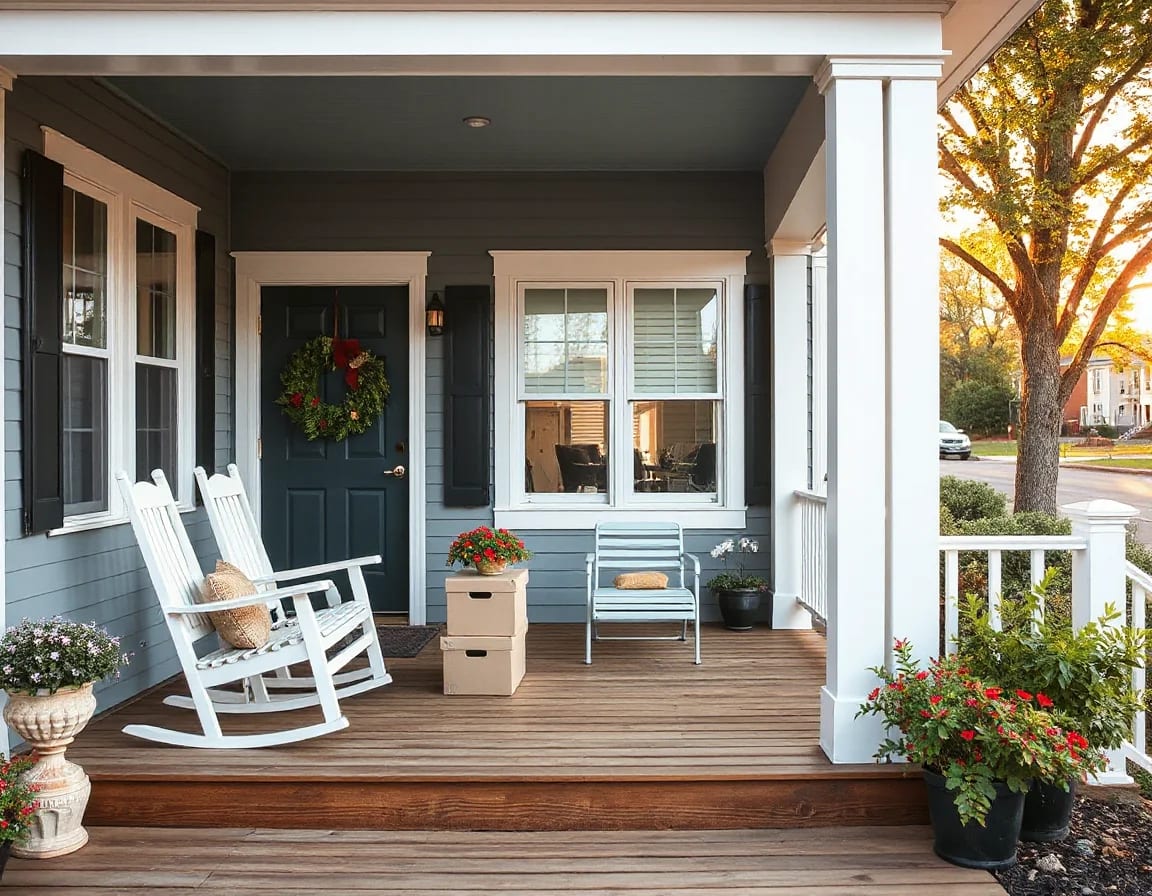
Buying your first home is exciting, but a few avoidable mistakes can make the process more stressful and more expensive than it needs to be. The smartest buyers prepare their financing early, understand the full cost of ownership, move decisively when the right home appears, and choose a neighborhood that fits daily life as well as the house itself. With the right guidance, first-time buyers can stay confident, competitive, and focused from search to closing.
For many first-time buyers, the biggest challenge is not lack of motivation. It is knowing which decisions matter most before making an offer. In a competitive market, small missteps can create delays, weaken negotiating power, or lead to regrets after closing. The good news is that most common buyer mistakes are preventable with a clear plan and realistic expectations.
If you are preparing to buy your first home, it helps to think beyond the excitement of scrolling listings and touring properties. A successful purchase is about matching your budget, timing, and lifestyle with the right home in the right area. Here are some of the most common first-time home buyer mistakes to avoid, along with practical ways to stay on track.
Skipping Pre-Approval Before You Start Shopping
One of the most common mistakes first-time buyers make is beginning the home search before talking with a lender. It is easy to assume that an online calculator or rough budget estimate is enough, but sellers and listing agents take pre-approved buyers far more seriously than buyers who are only pre-qualified or still exploring financing.
Pre-approval gives you a realistic price range based on your income, debts, credit profile, and available funds. It also helps you understand your likely monthly payment and loan options before you fall in love with a home that may not fit your budget. Without pre-approval, buyers often waste time looking at homes outside their comfort zone or miss opportunities because they are not ready to act when a strong listing hits the market.
A pre-approval is not just a financing step. It is a strategy step that helps you search with confidence and make a stronger offer when the right home appears.
There is also a practical timing issue. In a fast-moving market, desirable homes can attract attention quickly. If you find a property you love but still need to gather documents, compare lenders, and wait for a pre-approval letter, another buyer may move ahead first. Starting with financing puts you in a position to act instead of react.
Before touring homes seriously, connect with a trusted lender, review your numbers carefully, and ask questions about down payment requirements, interest rates, closing costs, and monthly payment scenarios. That preparation can save you from disappointment later.
Underestimating the True Cost of Buying a Home
Another major mistake is focusing only on the purchase price or estimated mortgage payment. First-time buyers are often surprised by how many additional costs come with buying and owning a home. Even when the monthly principal and interest payment feels manageable, the full financial picture may be more demanding than expected.
Beyond the down payment, buyers should plan for closing costs, home inspections, appraisal fees, moving expenses, utility setup, homeowners insurance, property taxes, and possible immediate repairs or updates. Depending on the property, there may also be homeowners association dues, private mortgage insurance, or maintenance costs that affect the monthly budget.
It is especially important to leave room for life after closing. A home should support your financial stability, not stretch it so tightly that every repair or unexpected bill becomes a crisis. New buyers sometimes use every available dollar to close, only to discover they have little left for furniture, appliances, seasonal maintenance, or emergency savings.
Smart buyers build a full ownership budget before making an offer. That means looking at the complete monthly payment, estimating recurring costs, and keeping a reserve fund in place. Buying at the top of your approval range is not always the same as buying comfortably.
When reviewing homes, ask practical questions. How old is the roof? Are the heating and cooling systems near replacement age? Will the property need paint, flooring, or appliance upgrades soon? A home that seems affordable at first glance can become much more expensive if deferred maintenance is waiting around the corner.
Moving Too Slowly on Strong Listings
First-time buyers often feel pressure to make the perfect decision, and that can lead to hesitation. While caution is understandable, moving too slowly can be costly when a well-priced, well-located home comes on the market. Buyers may spend so much time second-guessing that they lose the opportunity entirely.
Being decisive does not mean being reckless. It means doing your preparation early so you can recognize a strong opportunity when you see one. If you are pre-approved, understand your budget, and know your must-haves versus nice-to-haves, you can evaluate homes more efficiently and make informed decisions faster.
Some buyers assume that if a home is meant to be, it will still be available after a few days of reflection. In reality, attractive listings often generate quick interest, especially if they are updated, priced competitively, or located in a desirable neighborhood. Waiting too long to schedule a showing or submit an offer can leave you competing from a weaker position or missing out altogether.
This is where preparation and perspective matter. No home is likely to check every box. If you wait for a property that is flawless in every way, you may overlook homes that are excellent overall and a strong fit for your goals. The better approach is to define your priorities in advance and be ready to act when a home meets them.
The goal is not to buy the fastest. It is to be ready enough that when the right home appears, you can move with clarity instead of panic.
Touring homes with a clear checklist can help. Focus on location, layout, condition, price, and long-term livability. If a home aligns with your priorities and the numbers work, delaying for emotional certainty may not serve you well in a competitive environment.
Ignoring Neighborhood Fit
It is easy to become so focused on the house itself that you overlook the surrounding neighborhood. But where you live shapes your daily experience just as much as the property you buy. First-time buyers sometimes choose a home based on finishes, square footage, or price alone, then realize later that the location does not support their routine, preferences, or long-term plans.
Neighborhood fit includes more than commute time. It can involve walkability, traffic patterns, nearby parks, shopping convenience, noise levels, school access, future development, and the overall feel of the area. A beautiful home may lose some of its appeal if the location creates daily frustration.
Before making an offer, spend time exploring the area at different times of day. Drive the route to work. Visit on a weekday morning, a weekday evening, and a weekend if possible. Notice parking, activity levels, and how the neighborhood feels when people are actually living in it. If local amenities matter to you, test the distance and convenience rather than assuming they are close enough.
Buyers should also think ahead. Will this neighborhood still fit if your needs change over the next few years? Does the home offer enough flexibility for remote work, guests, or a growing household? A first home does not need to be a forever home, but it should support your life well enough to make the investment worthwhile.
Letting Emotions Override the Plan
Buying a first home is emotional by nature. It represents stability, progress, and a major personal milestone. But emotions can become a problem when they push buyers away from the plan they created at the start of the process. That might mean stretching beyond the budget, overlooking inspection concerns, or compromising too much on location just to win a bidding situation.
The best way to stay grounded is to return to your priorities. What payment feels sustainable? Which features are essential? Which trade-offs are acceptable, and which are not? A clear framework helps you make decisions with confidence, even when the process feels competitive or stressful.
It also helps to remember that there is rarely only one good home. Missing out on a property can feel discouraging, but it does not mean your opportunity is gone. Buyers who stay patient, prepared, and realistic are usually in a stronger position than buyers who chase every listing emotionally.
Final Thoughts for First-Time Buyers
Most first-time home buyer mistakes come down to preparation, pacing, and perspective. Skipping pre-approval, underestimating total costs, moving too slowly on strong listings, and ignoring neighborhood fit can all create avoidable setbacks. But with the right strategy, these issues are manageable.
A successful first purchase is not about knowing everything from day one. It is about asking good questions, understanding your numbers, and working with professionals who can help you make informed decisions at each step. When buyers take the time to prepare well, they are far more likely to find a home that fits both their budget and their lifestyle.
If you are getting ready to buy your first home, our team is here to help you navigate the process with practical advice, local insight, and steady support from search to closing. Reach out anytime if you would like guidance on preparing, touring homes, or making a confident first move.