
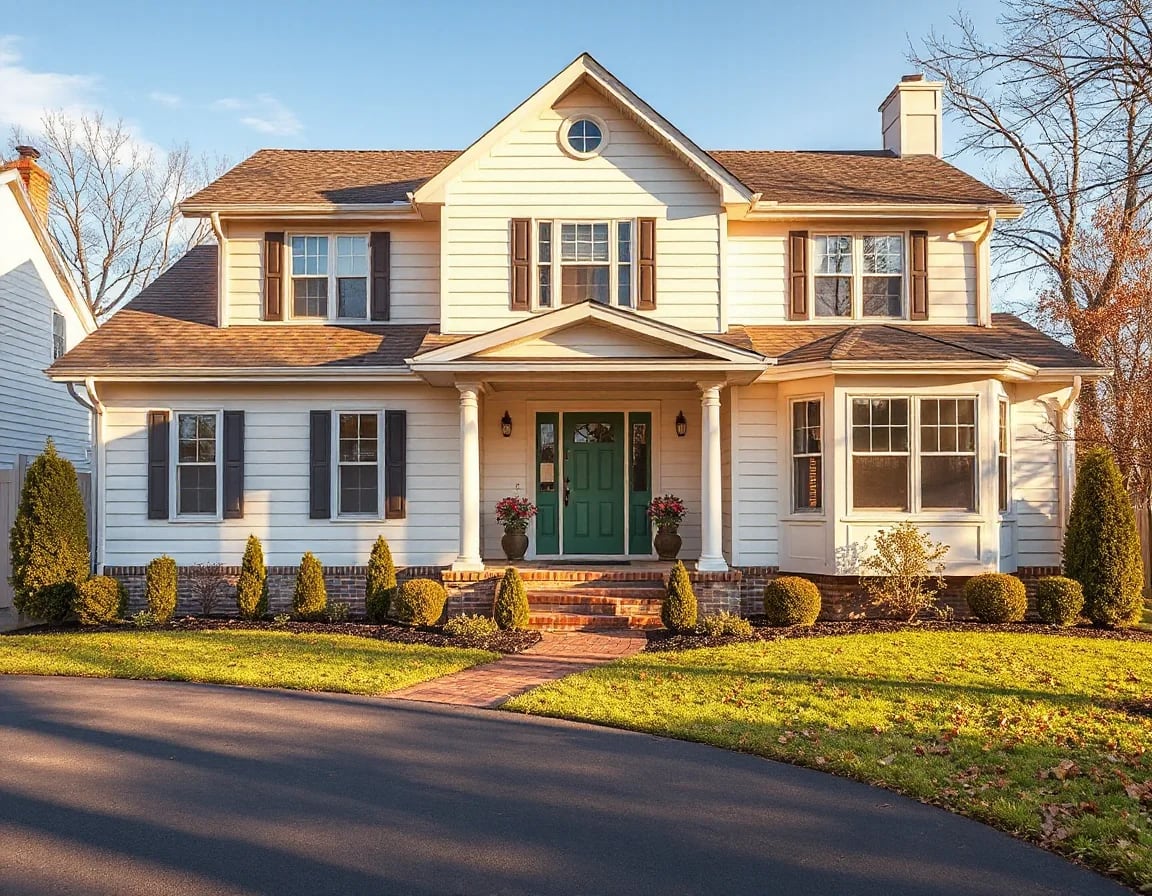
Getting your home ready to sell does not have to feel overwhelming. The right preparation focuses on the updates buyers notice most: clean spaces, simple repairs, strong first impressions, thoughtful staging, and a pricing strategy grounded in the market. With a clear plan and the right guidance, you can list with confidence and give your home the best chance to attract serious offers.
Preparing to sell your home is about more than making it look nice for photos. It is about helping buyers see value the moment they arrive, reducing objections before they happen, and creating the kind of presentation that supports a strong list price. The good news is that most sellers do not need a full renovation to make a meaningful impact. In many cases, smart preparation and careful prioritization go much further than expensive upgrades.
If you are getting ready to list, the goal is to make your home feel clean, cared for, and easy for buyers to imagine as their own. That means focusing on the details that shape first impressions, online interest, and in-person showings. Here is how to approach the process step by step.
Start With Decluttering and Simplifying
One of the most effective things a seller can do is remove excess items before the home goes on the market. Clutter makes rooms feel smaller, distracts from architectural features, and can make storage appear limited. Buyers are not just evaluating your home’s style. They are also paying attention to how spacious, functional, and well-maintained it feels.
Begin by clearing countertops, thinning out bookshelves, organizing closets, and packing away anything you do not use every day. Personal collections, oversized furniture, and extra decor can all make a space feel busier than it needs to be. The goal is not to make your home feel empty. It is to make it feel open, calm, and move-in ready.
A helpful rule is to edit each room until its purpose is immediately obvious. Dining rooms should read as dining rooms. Guest rooms should feel flexible and comfortable. Home offices should look productive without appearing crowded. When buyers can understand a room at a glance, they connect with the home more easily.
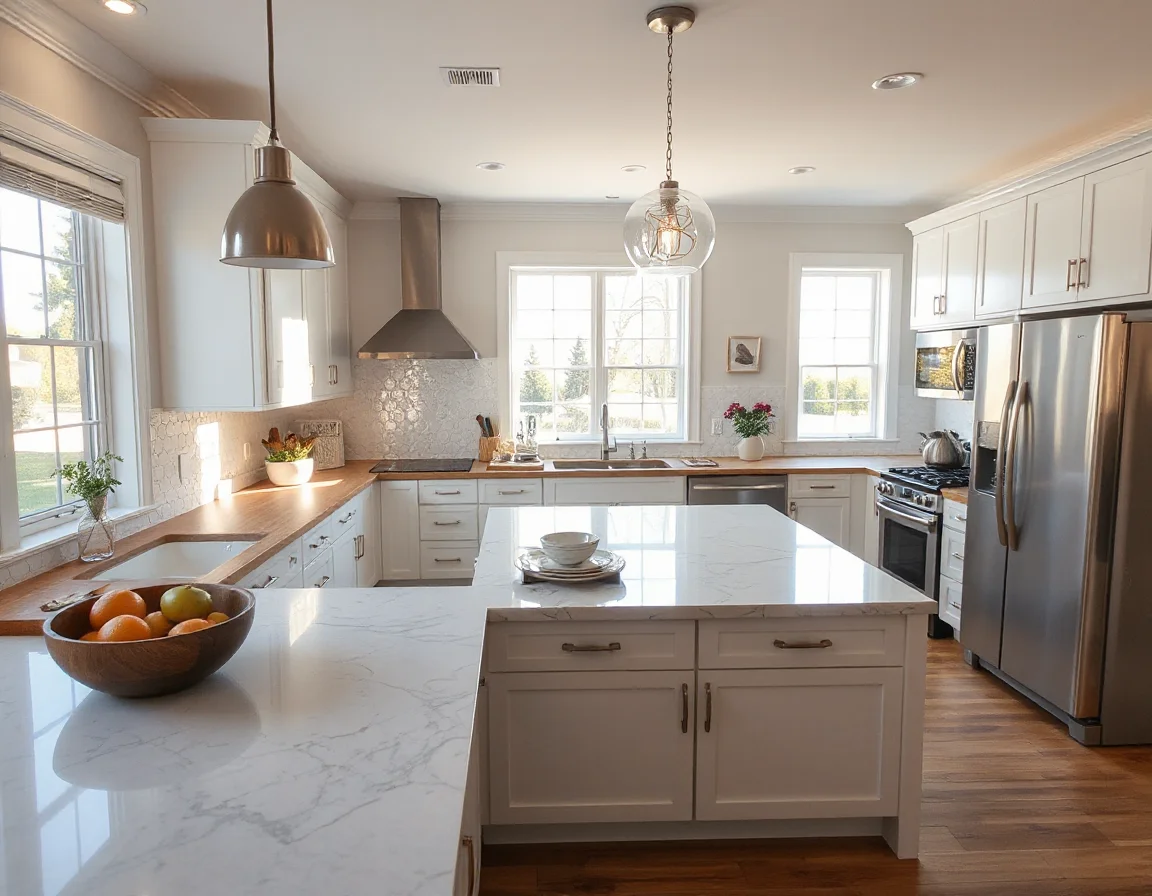
Decluttering also makes the moving process easier later. By packing early, you reduce stress and create a cleaner visual presentation at the same time. For many sellers, this is the first step that makes the entire process feel more manageable.
Buyers tend to notice space before they notice finishes. A room that feels open, bright, and easy to use often leaves a stronger impression than one filled with too much furniture or decor.
Handle Light Repairs Before Buyers See Them
Small issues can create outsized concern during showings. A dripping faucet, loose cabinet pull, chipped paint, squeaky door, or burned-out light bulb may seem minor to you because you live with them every day. To a buyer, however, those details can suggest deferred maintenance and raise questions about what else may have been overlooked.
Before listing, walk through your home with a critical eye. Test doors and windows, replace missing hardware, touch up scuffed walls, recaulk where needed, and make sure lighting works consistently throughout the house. If there are cracked switch plates, stained grout lines, or visible wear in high-traffic areas, address them now while the project list is still manageable.
You do not need to chase perfection. The goal is to remove easy objections and show that the home has been cared for. If there are larger repairs you do not plan to complete, talk with your agent about how those items may affect pricing, negotiation, or buyer expectations.
Boost Curb Appeal Before the First Showing
Buyers form an opinion before they ever step inside. Online photos may get them to schedule a showing, but the exterior sets the tone when they arrive. A clean, welcoming front entry helps buyers feel positive from the start and can influence how they perceive the rest of the property.
Focus on the basics first: mow the lawn, trim overgrowth, edge walkways, remove weeds, refresh mulch, and sweep porches and steps. If your front door or shutters look tired, a fresh coat of paint can make a noticeable difference. Clean windows, pressure-wash surfaces if needed, and make sure house numbers, exterior lights, and the mailbox look neat and functional.
Seasonal touches can help as long as they stay simple. A tidy planter, healthy greenery, or a clean doormat can add warmth without feeling distracting. The best curb appeal improvements are usually the ones that make the home look maintained rather than overly styled.

Remember that curb appeal is not just about beauty. It signals care. When the outside looks sharp, buyers are more likely to assume the inside has been maintained with the same attention.
Use Staging Basics to Help Buyers Connect
Staging is not about making your home look artificial. It is about highlighting scale, function, and comfort so buyers can picture themselves living there. Even light staging can improve how a home photographs and how it feels in person.
Start by arranging furniture to create easy pathways and emphasize the size of each room. Remove pieces that make spaces feel cramped. Add fresh bedding, neutral towels, and simple accents where needed. In living areas, keep surfaces clean and decor minimal. In kitchens and bathrooms, less is almost always more.
Color matters too. Neutral tones tend to appeal to a wider audience and help rooms feel brighter. If you have bold paint colors or highly personalized design choices, it may be worth softening them before listing. Buyers want to imagine their own style in the home, and a calmer backdrop makes that easier.
Do not overlook lighting. Open blinds, replace dim bulbs, and make sure each room feels bright and inviting. A well-lit home often feels cleaner, larger, and more welcoming.
Good staging supports the price you want to achieve. When buyers feel comfortable and emotionally connected during a showing, they are more likely to remember the home and act decisively.
Prepare for Pricing Before You Go Live
Home preparation and pricing strategy should work together. Even a beautifully prepared home can struggle if it is priced without regard to current market conditions, buyer expectations, and comparable sales. That is why pricing preparation should begin before the listing goes live, not after the first few weeks on the market.
Talk with your agent about recent comparable sales, active competition, average days on market, and the features that truly influence value in your area. Buyers compare homes quickly, especially online, so pricing needs to reflect both your home’s strengths and the alternatives available to them.
It is also important to understand which improvements add marketability versus which ones fully return their cost. Sellers sometimes assume every dollar spent on upgrades will come back in the sale price, but that is not always how buyers evaluate value. Strategic preparation is usually more effective than over-improving for the neighborhood.
When pricing and presentation align, your home is better positioned to attract serious attention early. That early momentum can be incredibly valuable, especially in the first days on market when interest is often highest.

Get Your Home Showing-Ready Every Day
Once your home is listed, preparation shifts from project mode to maintenance mode. Showings can happen with limited notice, so it helps to create a simple routine that keeps the home ready without constant stress.
Make beds each morning, keep counters clear, empty trash regularly, and have a plan for shoes, pet items, and daily clutter. If possible, limit strong cooking odors before showings and consider how the home smells when someone first walks in. Comfortable temperature, soft lighting, and a clean environment all contribute to a better experience.
If you have children or pets, think ahead about where toys, bowls, crates, and supplies can be quickly stored. The easier it is to reset the home, the more manageable the showing period will feel. Buyers often decide how they feel about a property within minutes, so consistency matters.
Showing readiness is also about flexibility. The more available your home is for tours, the more buyers can see it while interest is fresh. A home that is easy to show has a better chance of capturing momentum when it matters most.
Focus on the Improvements That Matter Most
Sellers sometimes feel pressure to do everything at once, but successful preparation is usually about choosing the right priorities. Cleanliness, condition, presentation, and pricing have the biggest influence on how buyers respond. If you start there, you are already addressing the factors that shape most first impressions and offers.
Every home is different, and the right pre-listing plan depends on your property, your timeline, and your local market. A thoughtful walkthrough with your agent can help you decide what to repair, what to leave alone, and where a small investment may create a stronger return.
If you are thinking about selling, now is a great time to get clear guidance on how to prepare your home for the market. Schedule a seller consultation or request home value guidance to build a plan that fits your goals and helps you list with confidence.