

Pricing your home well from the start is one of the most important decisions you will make as a seller. The right price can increase showing activity, strengthen buyer confidence, and create better negotiating leverage, while an unrealistic price can slow momentum before your listing has a chance to gain traction. A thoughtful pricing strategy is not about guessing high or low—it is about aligning your home with current buyer expectations and local market conditions.
When sellers think about value, it is natural to focus on upgrades, memories, and the amount they hope to net from the sale. Buyers, however, look at a home through a different lens. They compare it against other available properties, recent sales, condition, location, and how well the asking price matches what they believe the market will support. That is why pricing is not just a number on a listing. It is a signal that shapes how buyers respond from the moment your home goes live.
A strong pricing strategy helps attract serious offers because it encourages the right buyers to schedule showings quickly and view the home as a credible opportunity. In many markets, the first days on the market are especially important. This is when your listing is freshest, most visible, and most likely to generate immediate interest. If the price misses the mark, that early attention can fade before you have had the chance to build real momentum.
Pricing Sets the Tone for Showing Activity
Showing activity is often one of the earliest indicators of whether a home is priced in line with the market. When a listing is priced competitively, it tends to draw more online views, more saved searches, and more in-person appointments. Buyers who have been watching the market closely can usually recognize when a home appears to offer fair value, and they are more likely to act quickly when they see it.
On the other hand, an overpriced home may receive initial curiosity but fewer serious showings. Buyers may skip it entirely if it falls outside the price range where they believe it belongs. Even if they do visit, they may walk in already skeptical, looking for reasons the home does not justify the asking price. That shift in mindset matters. Once buyers feel a seller is out of step with the market, it can be harder to rebuild enthusiasm later.
A quiet first week on the market is often a pricing conversation before it is a marketing conversation. If buyers are seeing the home but not booking showings, the asking price may be creating hesitation.
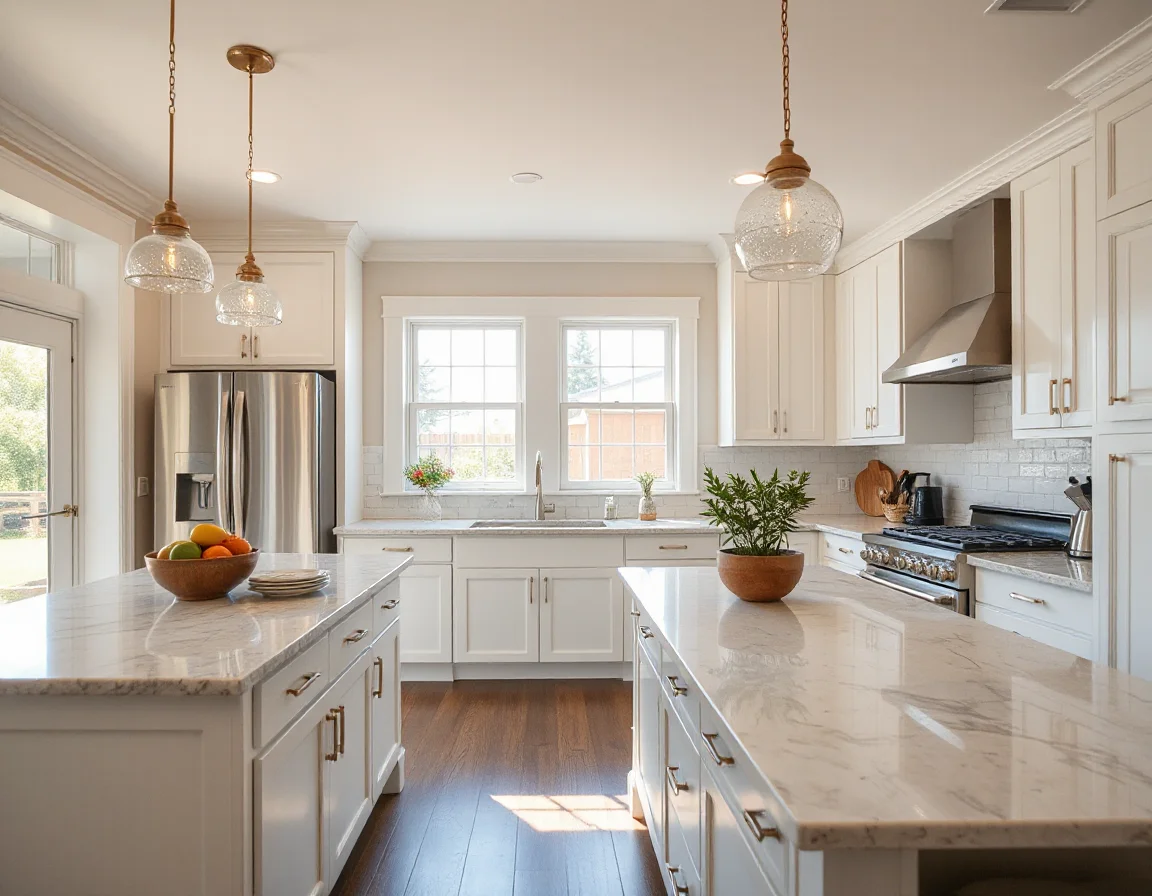
Pricing also affects the quality of the buyers who come through the door. A well-positioned price tends to attract buyers who are financially prepared and actively comparing homes in that range. An inflated price can narrow the pool too much, while a price that is clearly disconnected from comparable homes may attract bargain hunters waiting for a future reduction. Neither outcome is ideal if your goal is to create strong, credible interest from the start.
That is why launch strategy and pricing should work together. Professional presentation, strong photography, and thoughtful marketing are all important, but they are most effective when the price supports the story the listing is telling. Marketing can create exposure. Pricing is what helps convert that exposure into action.
Buyer Perception Starts Before the First Showing
Today’s buyers are informed. Before they ever step inside a home, they have usually reviewed photos, compared square footage, studied neighborhood options, and looked at similar listings online. In many cases, they have also watched price reductions on other homes and noticed which properties moved quickly. That means your asking price influences buyer perception long before they schedule a tour.
If a home appears appropriately priced, buyers are more likely to assume the seller is realistic and serious. That creates a stronger emotional starting point. Buyers may enter the home expecting to like it, and that positive expectation can shape how they experience the property. If the home appears overpriced, the opposite can happen. Buyers may arrive guarded, critical, and focused on what feels lacking relative to the price.
Perception matters because it affects urgency. Homes that feel well-priced often create a sense that other buyers may act soon. Homes that feel overpriced can create the impression that there is time to wait, revisit later, or watch for a reduction. Once buyers believe a price cut is likely, they may delay making an offer altogether.

This is one reason the initial list price carries so much weight. A price reduction later can help reposition a listing, but it does not always restore the same level of excitement that a strong launch can generate. Buyers may wonder why the home did not sell earlier, whether there were issues during prior negotiations, or whether additional reductions could follow. Even when none of those concerns are true, perception can still influence behavior.
Days on Market Can Change the Conversation
Days on market are not just a statistic. They can shape how buyers and their agents interpret a listing. A home that sells quickly is often seen as desirable and well-aligned with the market. A home that lingers may invite more scrutiny, even if it is attractive and well maintained. Buyers may assume the price is too high, the seller is inflexible, or the property has been overlooked for a reason.
That does not mean every home should be priced aggressively below market value. It does mean sellers should understand the tradeoff between testing a higher price and preserving early momentum. In many cases, the longer a home sits without meaningful activity, the more negotiating power shifts toward buyers. They may feel emboldened to submit lower offers, request more concessions, or negotiate more firmly on repairs and terms.
The market often rewards homes that enter at a price buyers can understand immediately. Clarity creates confidence, and confidence can lead to faster, stronger responses.
A longer market time can also create practical stress for sellers. Carrying costs continue. Plans for a move may be delayed. The uncertainty of repeated showings without offers can become frustrating. A strategic price at launch can help reduce those risks by improving the odds of early engagement from qualified buyers.
Every market behaves differently, which is why local interpretation matters. In some areas, a slightly longer timeline may be normal for certain price points or property types. In others, a lack of activity in the first two weeks may be a clear sign that the market is not responding as hoped. Understanding that difference is where local market knowledge becomes especially valuable.
Comparable Homes Provide the Best Reality Check
One of the most useful tools in pricing a home is the study of comparable properties. Comparable homes help sellers move beyond emotion and evaluate value through the lens buyers are likely to use. The most relevant comparisons usually include recently sold homes, active competition, pending listings, location, size, condition, lot characteristics, and updates.
Not all comparables carry equal weight. A beautifully renovated home may not compare directly to one that needs cosmetic work. A home on a quiet street may not compete the same way as one on a busier road. Even within the same neighborhood, small differences can influence pricing strategy. That is why simply averaging nearby sales is rarely enough.
Comparable analysis is also about timing. A sale from several months ago may need to be interpreted differently if inventory, interest rates, or buyer demand have shifted. Active listings matter because they represent the alternatives buyers are considering right now. Pending sales can offer clues about what is attracting offers in the current environment, even before final numbers are public.
When sellers review comparables with a local real estate professional, the goal is not to chase the highest number. The goal is to identify a price range that makes sense for the home, the competition, and the likely buyer pool. That approach supports a pricing decision grounded in evidence rather than optimism alone.
Launch Strategy and Negotiation Strength Go Hand in Hand
Pricing is most effective when it is part of a broader launch strategy. The condition of the home, timing of the listing, photography, staging, and marketing plan all contribute to how buyers respond. But even excellent preparation can lose impact if the price creates friction. A strong launch aligns presentation and pricing so buyers feel the home is worth seeing right away.
When that happens, sellers often gain more than just showings. They may gain leverage. Strong early interest can support firmer negotiations because buyers understand they may be competing with others or that the seller has options. Even in a balanced market, a home that is priced thoughtfully and presented well tends to create a stronger negotiating position than one that has been sitting without activity.
That does not mean multiple offers are guaranteed, and no pricing strategy can eliminate all market uncertainty. What smart pricing can do is improve the quality of the conversation. It can help attract buyers who are better aligned with the home, reduce avoidable objections tied to value, and position the seller to negotiate from a place of greater confidence.
For sellers, the key takeaway is simple: pricing is not just about where you want to start. It is about how you want the market to respond. The right strategy can influence traffic, perception, timing, and leverage in ways that affect the entire sale process.
If you are thinking about selling and want guidance on how to price your home for today’s market, connect with your agent or our team for a home value conversation. A local pricing strategy built around comparable homes, buyer behavior, and a smart launch plan can help you move forward with greater clarity and confidence.